7 Ways to Measure Progress Without Relying Only on Weight
The scale is only one source of information. Explore seven practical ways to measure progress through habits, strength, energy, sleep, and body changes.
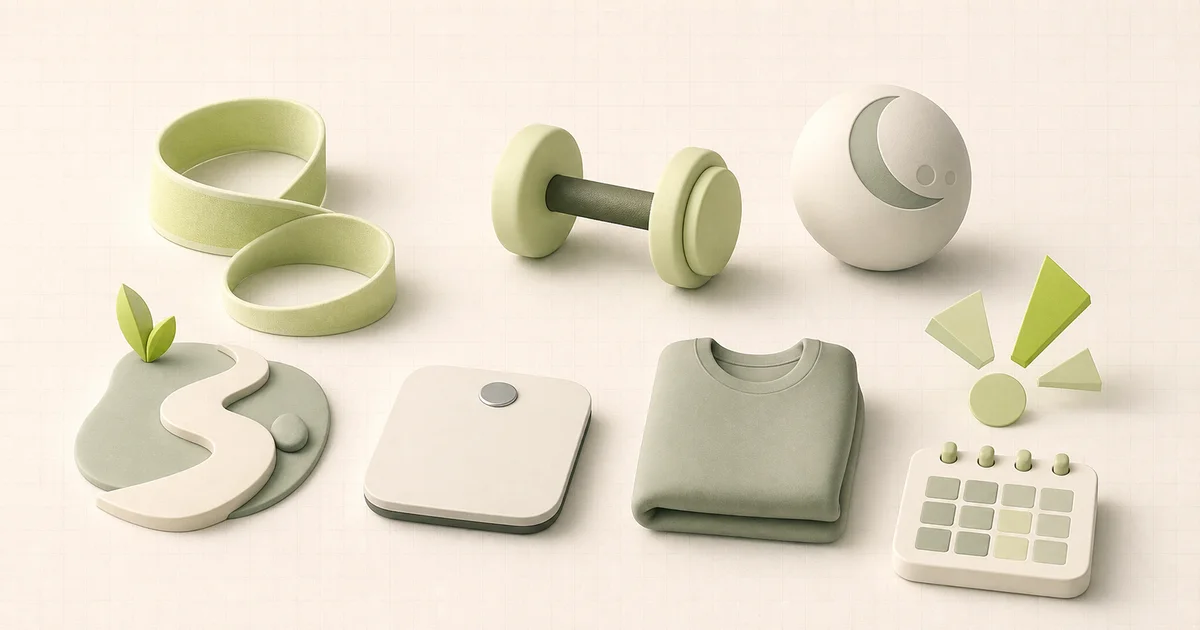
Body weight is easy to measure, which is one reason it receives so much attention. But easy to measure does not mean complete. A scale combines body fat, muscle, water, food, and everything else in your body into a single number. It cannot explain which part changed or tell you how well you feel and function.
If you rely only on weight, genuine improvements can be easy to miss. Normal daily weight fluctuations may hide a gradual trend, while better fitness, sleep, and routines may develop before the scale changes noticeably.
The solution is not necessarily to throw the scale away. It is to place it inside a broader progress dashboard. Here are seven practical ways to do that.
1. Track the long-term weight trend
The first alternative to obsessing over scale weight is not a completely different metric. It is a better way to use the same metric.
A single reading is a snapshot affected by hydration, digestion, sodium, carbohydrates, exercise, and hormonal changes. A trend built from consistent measurements filters some of that noise and answers a more useful question: what direction is weight moving over several weeks?
Use similar conditions, choose a frequency that feels manageable, and review the pattern periodically rather than reacting after every weigh-in. The article How to Track Weight Loss Without Obsessing Over the Scale provides a complete routine.
Record the trend as one part of progress, not the final score. It deserves context from the other six measures below.
2. Take consistent body measurements
Measurements such as waist circumference can show changes in body size that total weight may not make obvious. The CDC includes waist circumference, alongside BMI, as one way to assess weight-related health risk. It is still an imperfect measurement and should not be treated as a diagnosis by itself.
For personal progress tracking, consistency is essential:
- Choose a small number of locations, such as waist and hips.
- Use the same flexible tape measure.
- Measure at the same anatomical point each time.
- Keep the tape level and snug without compressing the skin.
- Measure under similar conditions every few weeks, not several times a day.
Write down how you measured, especially the exact location. Small differences in tape placement or tension can produce different results. Looking for change over longer intervals is more useful than trying to achieve millimeter-level precision.
If you are monitoring waist circumference because of a medical risk, ask a qualified clinician how to measure and interpret it for your circumstances.
3. Notice how your clothes fit
Clothing can provide an immediate, practical signal of body-size changes. A familiar pair of trousers may feel different around the waist or thighs even when scale weight is stable.
Choose one or two consistent reference items rather than testing a full wardrobe. Notice fit every few weeks and use neutral descriptions: looser, similar, or tighter. Avoid forcing yourself into clothing that causes discomfort simply to pass a progress test.
Clothing sizes are not standardized, fabrics stretch, and garments change after washing. That makes this a supporting observation rather than precise data. Its value is that it connects progress with everyday experience.
You may also discover that comfort, mobility, or confidence changes without a different size. Those outcomes matter even if they cannot be placed on a chart.
4. Measure strength and physical capacity
Physical activity offers benefits that body weight cannot summarize. The CDC notes that regular activity can help people feel better, function better, and sleep better. Improvement can appear as greater strength, stamina, balance, or ease during everyday tasks.
Choose a measure relevant to the activity you already do:
- the number of controlled repetitions at a given resistance;
- how long or comfortably you can walk;
- the pace of a familiar route at a similar effort;
- how easily you climb stairs;
- consistency in completing planned sessions; or
- improved technique and range of motion.
Do not test your maximum performance constantly. Repeating a simple, safe benchmark every four to eight weeks can reveal progress while allowing normal training and recovery between checks.
Performance is affected by sleep, stress, illness, and training conditions, just like weight is affected by short-term variables. Look for a broad pattern instead of requiring every session to beat the previous one.
5. Track energy and everyday function
Progress can mean having enough energy to engage with your life. This is subjective, but it can still be tracked consistently.
Once or twice a week, rate a few specific experiences on a simple scale:
- afternoon energy;
- ease of completing normal daily tasks;
- concentration during work;
- recovery after activity; or
- desire and ability to participate in social or family activities.
Keep the questions the same. A vague prompt such as “Do I feel better?” is harder to compare than “How was my afternoon energy this week, from 1 to 5?”
Energy is influenced by many factors and a low score is not proof that your approach is failing. Persistent or severe fatigue deserves medical attention, particularly when it is new or accompanied by other symptoms.
6. Observe sleep quality and routine
Sleep is both a health outcome and part of the context surrounding weight management. The CDC identifies adequate sleep as one component of a healthy lifestyle and notes that physical activity can support sleep quality.
You do not need a wearable to observe useful sleep patterns. Track simple behaviors and experiences:
- approximate bedtime and wake time;
- whether your schedule is reasonably consistent;
- how rested you feel on waking;
- daytime sleepiness; and
- habits that support or disrupt your routine.
Focus on patterns you can act on rather than trying to optimize every sleep metric. Consumer devices estimate sleep using indirect signals and can create more concern than clarity for some people.
If sleep problems are persistent, severe, or involve symptoms such as breathing interruptions, discuss them with a healthcare professional. A tracking log can provide useful context, but it cannot diagnose a sleep disorder.
7. Measure habit consistency
Weight is an outcome. Many day-to-day actions that may influence health and progress are behaviors. Behaviors are often more directly under your control and provide faster feedback than waiting for an outcome to change.
Select two or three habits connected to your goals. Examples include:
- completing planned walks or training sessions;
- preparing a balanced lunch;
- eating fruit or vegetables with chosen meals;
- taking regular movement breaks;
- following a consistent bedtime routine; or
- pausing to notice hunger and fullness during meals.
Define each habit clearly enough that you know whether it happened. “Exercise more” is difficult to track. “Take a 20-minute walk on Monday, Wednesday, and Saturday” is observable.
Review consistency over a week or month. Avoid turning the tracker into a demand for perfection. Missing one day is information, not a broken streak that erases previous effort. A useful habit system helps you restart quickly and identify patterns in your environment.
Build a small progress dashboard
Tracking everything creates as much noise as tracking only weight. Choose a small set that reflects your priorities.
A balanced dashboard might contain:
- One outcome measure: long-term weight trend or waist measurement.
- One functional measure: strength, walking capacity, or everyday energy.
- One process measure: consistency with a specific habit.
- One well-being measure: sleep quality, mood, or stress, when relevant.
Set a review frequency appropriate to each measure. Habits can be reviewed weekly. Strength or body measurements may be more meaningful every four to eight weeks. Weight trends usually need several weeks of context.
Write down what progress would look like before reviewing the results. This prevents one disappointing number from overriding improvements everywhere else.
What if the measures disagree?
Different measures will not always move together. Weight may remain stable while strength increases. Clothes may fit differently while waist measurements barely change. Energy may improve before any visible body change.
Disagreement is not a data problem. It is the reason to use multiple measures. Ask:
- Has enough time passed to identify a pattern?
- Were the measurements taken consistently?
- Which result is most relevant to the original goal?
- Are short-term factors likely to explain the difference?
- Is professional guidance needed to interpret a health concern?
Avoid changing your plan because one metric had an unusual day. Review the collection of evidence and make proportionate decisions.
Progress should support your life
The best measurement system is not the one with the most numbers. It is the one that helps you recognize meaningful change and make calm decisions.
Zen Weight keeps body-weight data in perspective by emphasizing the longer-term trend. Pair that trend with a few measures that reflect how you live, feel, and function. Together, they provide a richer and more accurate picture than the scale can offer alone.
If any form of tracking increases anxiety, encourages restrictive or compensatory behavior, or makes your relationship with food and your body worse, pause and seek support from a qualified health professional.